
"Harvest time"
10000 article(s) found

Yunnan coffee harvest season may exceed 120000 tons this year.
According to the person in charge of the Yunnan Coffee Association, up to now, the planting area of coffee in Yunnan has exceeded 1.6 million mu, and the output of coffee in Yunnan this harvest season is expected to exceed 120000 tons. Yesterday's coffee futures price was 23 yuan / kg, compared with the price trough of the previous two years. Curry farmers are expected to usher in a bumper harvest this year. Up to now, the development of coffee in Yunnan is still in the stage of extensive development.

A brief introduction to the origin, development, history and culture of glossy Kenyan boutique coffee beans
Kenya coffee harvest season there are two harvest seasons in Kenya, the main harvest season is from October to December and the secondary harvest season is from May to July. Large coffee processing farms in Kenya usually have independent processing facilities. A large number of small farmers usually pick ripe coffee fruits by hand. Coffee picking is a labor-intensive job, which requires the whole family to go out or even return during the harvest season.

The way coffee is harvested. Common sense of fine coffee beans.
The harvest time and method of coffee vary from place to place, generally speaking, once or twice a year (sometimes up to three or four times). The harvest time is mostly in the dry season. In Brazil, for example, around June, it starts in the north-eastern state of Bahia and ends in October in the southern state of Parana. The harvest period of Central American countries is from September to next year.

A brief introduction to the names of the three major beverage tea varieties in the world the characteristics of Yunnan Jinsi Yunnan black tea
We often discuss four factors for each kind of natural tea to develop its unique flavor. Variety, harvest date, origin and technology all play a role in shaping the characteristics of finished tea. However, the weight of these factors in defining quality and taste may vary from category to category or even from tea to tea. In order to understand the impact more clearly, tasting some teas that rely heavily on a single factor can help

The cultivation process of Coffee
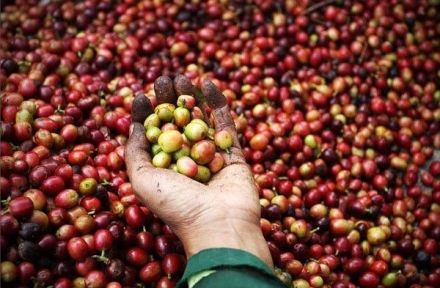
The way of harvesting coffee varies from place to place, which is mainly divided into hand picking method and shaking method. Of course, it is ideal to pick the ripe red fruit carefully with your hands, and in fact, the issue of efficiency must also be considered.

Starbucks Coffee Bean selection Series | Coffee Story of Cerro Asul 01 in Rose, Colombia
For the exchange of professional baristas, please follow the coffee workshop (Wechat official account cafe_style) Starbucks coffee bean selection series | Cerro Asul 01 coffee production in Colombia. Colombia has always been a large coffee grower, once contributed 10% of the total global coffee production and is an important producer of bulk commercial Arabica coffee. The existing coffee growing areas are generally divided.
Colombian coffee is black coffee. How does Colombian coffee taste and how to drink it?
For the exchange of professional baristas, please follow the coffee workshop (Wechat official account cafe_style) Colombian coffee production situation Colombia has always been a large coffee grower, once contributed 10% of the total global coffee production, is an important producer of bulk commercial Arabica coffee. The existing coffee growing areas are generally divided into two parts: the northern producing areas, including the ancient MAM region and the capital Bogo.

Introduction to the method of regional treatment for the description of taste and flavor of coffee trees
When can coffee trees bear fruit, flavor description, characteristics of varieties, regional treatment methods for different regions, the harvest time of coffee varies from region to region. Regions north of the equator (such as Ethiopia and Central America) are generally harvested from September to November. South of the equator, such as Brazil and Zimbabwe, although the harvest can last until August, the main one is in April or May.
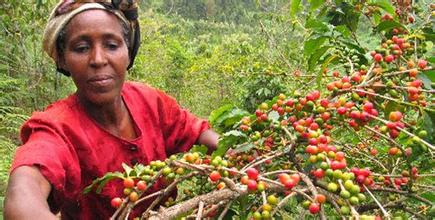
The difference between hand-picking method and shaking method of coffee beans different methods are adopted in different areas.
The harvest time and methods of coffee vary from place to place, generally speaking, about 1-2 times a year, sometimes up to three or four times. The harvest time is mostly in the dry season. In Brazil, for example, around June, it starts from Basiya in the north-east and ends in Parana in the south around October. The harvest period of Central American countries is from September to January next year, from lowland to high.

A brief introduction to the history and culture of the origin and development of Kenyan boutique coffee beans with rich taste
Kenya coffee harvest season there are two harvest seasons in Kenya, the main harvest season is from October to December and the secondary harvest season is from May to July. Large coffee processing farms in Kenya usually have independent processing facilities. A large number of small farmers usually pick ripe coffee fruits by hand. Coffee picking is a labor-intensive job, which requires the whole family to go out or even return during the harvest season.

When is the harvest time of Jamaica Blue Mountain Coffee?
Following caf é (Wechat official account vdailycom) found that when did the Beautiful Cafe open its own shop, Jamaica Blue Mountain Coffee? the annual harvest time of Jamaica Blue Mountain Coffee is from June to November, usually by hand picking. After picking, it goes through washing, peeling, fermentation, dehydration, drying, shelling, baking and other processes to get a blue mountain.

Coffee basics Coffee is generally picked several times a year
The harvest time and method of coffee vary from place to place, generally speaking, about once or twice a year (sometimes up to three or four times). The harvest time is mostly in the dry season. In Brazil, for example, around June, it starts in the north-eastern state of Bahia and ends in October in the southern state of Parana. The harvest period of Central American countries is from September to next year.
General situation of Colombian Coffee production in raw bean archives Colombian coffee brands in Colombian coffee producing areas
For the exchange of professional baristas, please follow the coffee workshop (Wechat official account cafe_style) Colombian coffee production situation Colombia has always been a large coffee grower, once contributed 10% of the total global coffee production, is an important producer of bulk commercial Arabica coffee. The existing coffee growing areas are generally divided into two parts: the northern producing areas, including the ancient MAM region and the capital Bogo.
The unique flavor of Starbucks Colombian Coffee, what coffee estates are there in Colombia?
For the exchange of professional baristas, please follow the coffee workshop (Wechat official account cafe_style) Starbucks coffee bean selection series | Cerro Asul 01 coffee production in Colombia. Colombia has always been a large coffee grower, once contributed 10% of the total global coffee production and is an important producer of bulk commercial Arabica coffee. The existing coffee growing areas are generally divided.

Analysis of the process from coffee tree planting to coffee bean harvest
Coffee trees take 3-5 years from planting to fruiting. 6-10 years of coffee trees are the most likely to bear fruit, about 15-20 years, is the harvest period. Coffee trees are usually bred in nurseries and grow into saplings, and then moved to coffee farms a year later, in full compliance with the way the Arabs planted and cultivated coffee trees. Coffee trees will continue to take root downward and upward in the first four or five years of their growth.
From the planting of coffee trees to the harvest of coffee beans
Coffee trees take 3-5 years from planting to fruiting. 6-10 years of coffee trees are the most likely to bear fruit, about 15-20 years, is the harvest period. Coffee trees are usually bred in nurseries and grow into saplings, and then moved to coffee farms a year later, in full compliance with the way the Arabs planted and cultivated coffee trees. Coffee trees will continue to take root downward and upward in the first four or five years of their growth.

It takes 3-5 years from coffee tree planting to coffee bean harvest.
Coffee trees take 3-5 years from planting to fruiting. 6-10 years of coffee trees are the most likely to bear fruit, about 15-20 years, is the harvest period. Coffee trees are usually bred in nurseries and grow into saplings, and then moved to coffee farms a year later, in full compliance with the way the Arabs planted and cultivated coffee trees. Coffee trees will continue to take root downward and upward in the first four or five years of their growth.
Coffee technology the treatment of coffee beans after harvest
Coffee beans must be disposed of immediately after harvest so as not to go bad. The producer will use two methods of treatment: the sun method and the cleaning method. An effective way to bask in the sun is to spread the berries flat in the yard and stir the dehydrated berries from time to time to make them evenly heated and breathable. Then put the dried berries into the machine, crush the shell, and remove the shell and a layer of parchment at the same time
General knowledge of boutique coffee from coffee tree planting to coffee bean harvest
Coffee trees take 3-5 years from planting to fruiting. 6-10 years of coffee trees are the most likely to bear fruit, about 15-20 years, is the harvest period. Coffee trees are usually bred in nurseries and grow into saplings, and then moved to coffee farms a year later, in full compliance with the way the Arabs planted and cultivated coffee trees. Coffee trees will continue to take root downward and upward in the first four or five years of their growth.

The production process of coffee beans A coffee tree can harvest 3 Mel 5 kg of fruit.
A coffee tree can harvest 3-5 kg of fruit, and raw coffee beans account for 1. 5% of the fruit quality. Going from fruit to raw coffee beans is really a time-consuming and laborious task. Arabian, Robusta and Librian Arabian coffee account for about 2% of the world's coffee production. The plant is not suitable for high temperature, low temperature, more rain and less rain. Coffee beans are oval flat and have a high height.